- No Products In The Cart
- start shopping




House of Stoves • Advice & inspiration
Wood-Burning or Multi-Fuel Stove? A Buying Guide for Irish Homes

Buying guide reviewed by House of Stoves on .
Choose a dedicated wood-burning stove if you intend to burn logs. Choose a multi-fuel model only if you want the option of other fuels specifically approved for that appliance. Both choices need the right room output and a suitable installation. The name “multi-fuel” does not mean you can burn anything.
Wood-burning versus multi-fuel: the main differences
| Buying question | Wood-burning stove | Multi-fuel stove |
|---|---|---|
| What will I burn? | Wood logs approved in the manual. | Logs and/or other fuels specifically listed in that model’s manual. |
| How is the firebox arranged? | Often a flat bed designed for logs burning on ash; designs vary. | Typically a grate and ashpan, with an air supply suited to the approved fuel. |
| Who should shortlist it? | Someone planning to use logs consistently. | Someone who needs a genuine choice of approved fuels. |
| Is one automatically more powerful? | No. Compare the exact model’s nominal room output and operating information. | |
Stovax explains the practical differences in its manufacturer guide to wood and multi-fuel fireboxes. Always use the instructions for your chosen stove rather than transferring fuel advice between models.
Start with the room, then choose the style
Use the HOS stove sizing guide and room heat calculator to get a rough starting figure. A stove’s kW rating describes heat output; it does not describe how wide the appliance is or how large its window looks.
Bring your room measurements and layout to an installer. Insulation, connected spaces, existing heating and the chimney or proposed flue route all affect the decision. A larger stove is not automatically a better purchase.
Choose fuel you can store and use properly
Think about where the fuel will live, how it will reach the stove and whether the daily routine suits your home. Follow the appliance manual’s fuel and moisture requirements. Buy from a reputable supplier and check the EPA’s current Irish solid-fuel guidance when comparing fuel products.
Do not assume a UK smoke-control statement confirms Irish suitability, or that a stove can use a fuel simply because it is available locally. The appliance instructions and the rules applicable in Ireland both matter.
Check the complete installation before ordering
- Confirm the exact wood-burning or multi-fuel version, including its model code.
- Have the existing chimney or proposed flue arrangement assessed.
- Check hearth, ventilation, clearances and access against the model’s instructions and your installer’s assessment.
- Allow for fitting, flue components, maintenance and fuel storage in the overall budget.
Questions customers ask
Can I burn coal in a wood-burning stove?
Do not put coal or another mineral fuel into a wood-only stove. Use only the fuel specified for the exact appliance. A similar-looking multi-fuel version does not change your stove’s approval.
Does multi-fuel mean I can mix fuels?
No. The label alone does not approve mixing. Follow the manufacturer’s instructions on permitted fuels and how each should be used.
Which is cheaper to run?
There is no single winner. Compare your delivered fuel prices, the exact appliance’s performance and how much useful heat the room needs. Include installation and maintenance when comparing total ownership costs.
Build your shortlist
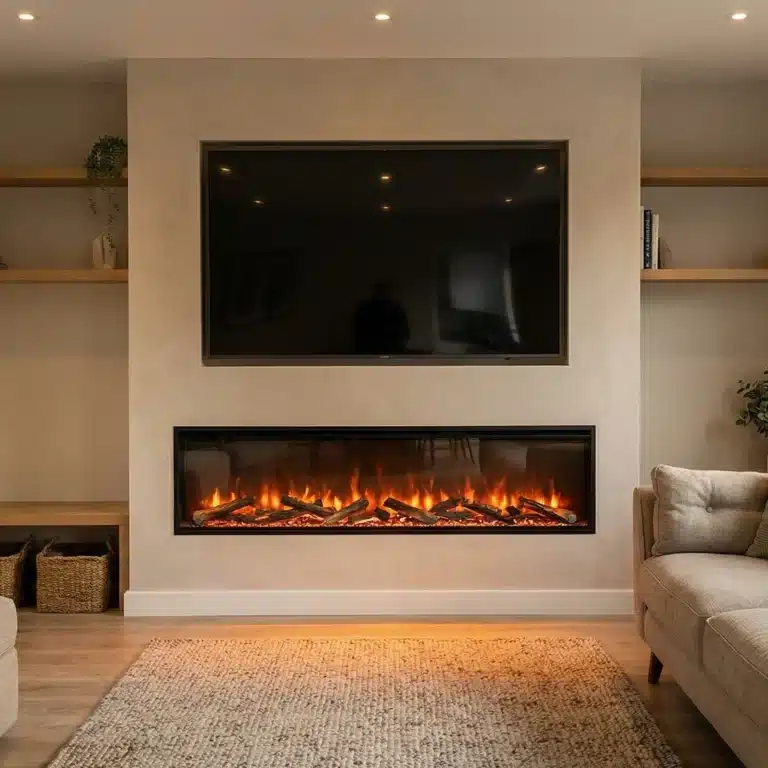
Compare wood-burning fires and stoves with multi-fuel fires and stoves. If you prefer flame ambience without handling solid fuel, our electric-fire buying guide explains the alternative. Send our Kilkenny team your room measurements and fireplace photos for help narrowing the options.